
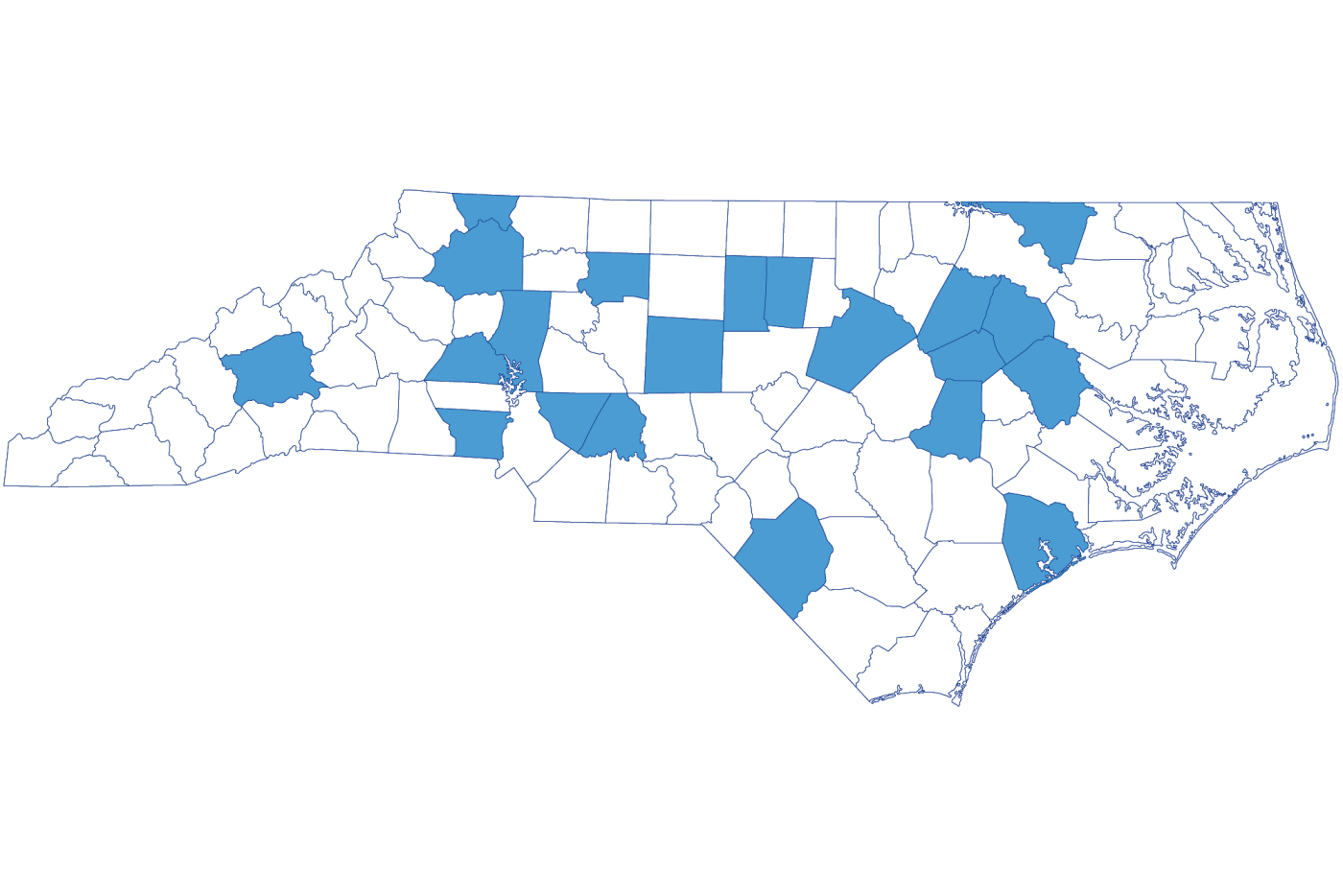
Members of the Local Government Commission (LGC) are assuming financial control of two small North Carolina towns in the face of perilous financial conditions. The LGC voted to assume control of Ronda (Wilkes County) and Rowland (Robeson County) to make sure bills get paid and citizens continue to get services they need.
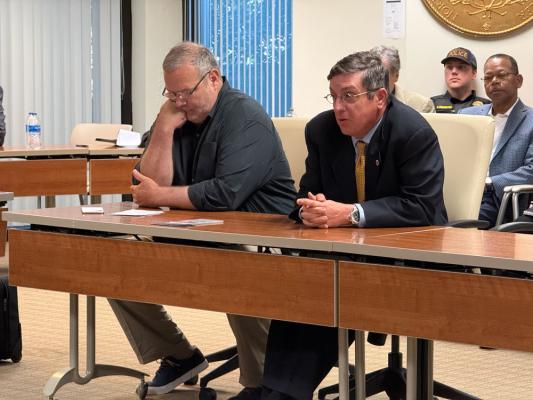
At today’s meeting, Ronda officials reported that the town board voted to begin the voluntary dissolution process. However, to date there is no agreement from town leaders on how to move forward from that. Last month, the LGC issued a Notice and Warning, directing the Town to take immediate action to deal with its financial distress. Through testimony from Town officials and reports from the LGC staff, one month later, there were no improvements in the situation. LGC staff recommended the members vote to assume control of the town’s finances. By unanimous vote the LGC approved that recommendation and has now begun the process of assuming control of Ronda.
Town of Rowland leaders told the LGC that it believes it is moving in the right direction towards financial solvency. The LGC had also given this town a Notice and Warning in September. Rowland officials reported the town remains in fiscal trouble but believe it is moving in the right direction. LGC staff, however, also recommended the members vote to assume financial control of the Town since it did not outline a clear financial path forward. The LGC members voted to assume control of the Town’s finances.
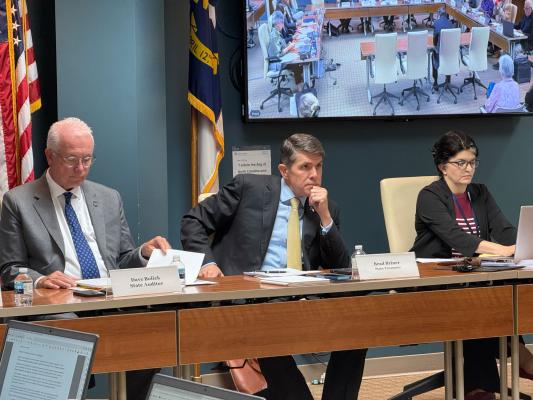
“Our priority is making sure every citizen in our state is getting the services they need. If local governments don’t fulfill their duty to their constituents, we will not hesitate to act,” said Treasurer Brad Briner, who chairs the LGC. “We know that it is not easy to conclude that your local government is no longer viable, but it would be even more difficult to tell taxpayers that you are bankrupt. This needs to be fixed before that happens.”
The Commission also received an update on Rocky Mount’s (Nash County) budget position. The city’s overall cash position has improved significantly since it faced the risk of running out of funding earlier this year. Rocky Mount now projects approximately $50 million in total cash by Dec. 31. General Fund cash remains low, however, and the Commission requested that it continue to receive quarterly updates from LGC staff about the City’s financial condition.
Following similar action last month, the Commission voted to grant an appeal from Elm City (Nash County) related to potential sales tax withholding. Local governments that do not submit their required annual financial audit on time may have a portion of their sales tax distribution withheld for up to two years. Staff recommended granting the appeal based on “other good cause with evidence.”
State Treasurer Brad Briner chairs the LGC. The Commission is staffed by the Department of State Treasurer and has a statutory duty to approve most debt issued by local governments and public authorities in North Carolina. It also monitors the financial well-being of more than 1,100 local government units.
The LGC also approved these financing requests during the meeting:
- Mebane (Alamance County): $1.58 million to construct an equipment storage building.
- Coastal Affordable Senior Housing Foundation (Alleghany and Northampton counties): A portion of a $37.77 million financing package to acquire two senior living communities, including The Landings of Chestnut Grove and Hampton Manor.
- Metropolitan Sewerage District (Buncombe County): Up to $150 million for sewer system improvements and refinancing existing debt. The district projects annual sewer rate increases of 7% from fiscal year 2027 through fiscal year 2036.
- Givens Estates (Buncombe County): Up to $90 million for senior living improvements in Asheville and Black Mountain, including new health services and independent living facilities.
- Concord (Cabarrus County): $10.2 million for construction, equipment and furnishings for a new communications and emergency management facility.
- Catawba Valley Medical Center (Catawba County): $7.45 million in lease obligations for three medical office locations in Newton, Hickory and Morganton. The medical center, rather than the county, is responsible for the payments.
- Columbus County: A $2.57 million State Revolving Fund loan for Riegelwood Sanitary District water improvements.
- Liberty (Columbus County): A $200,000 State Revolving Fund loan for a lead service line inventory project.
- Winston-Salem (Forsyth County): A $42.70 payment to the Mineral Springs Volunteer Fire Department related to a completed annexation.
- Mount Holly (Gaston County): Up to $6 million for Phase II of the South Gateway Project, including infrastructure and accessibility improvements along the city’s southern entry corridor.
- Iredell County: A three-year extension of the authorization for $10.5 million in voter-approved, unissued community college general obligation bonds.
- Nashville (Nash County): A $236,402 State Revolving Fund repayable loan for the Essex Road sewer extension, in addition to $500,000 in principal forgiveness.
- Holly Ridge (Onslow County): Financing to purchase the former J&J Snack Foods property for future governmental, recreational, emergency preparedness, commercial and community purposes.
- Greenville (Pitt County): Up to $22 million for replacement of a bulkhead, expansion of the city’s sports complex and improvements to City Hall.
- Albemarle (Stanly County): $46.207 million in State Revolving Fund financing to rehabilitate the Long Creek Wastewater Treatment Plant.
- Apex (Wake County): Up to $16 million for Town Hall and Tunstall House improvements, street and sidewalk projects, and property for a future public safety station.
- Knightdale (Wake County): $9.495 million to help purchase the Lofts Building and acquire two fire trucks and related equipment.
- Raleigh Housing Authority (Wake County): Up to $20.3 million for Fisher Grove, a 166-unit affordable housing development in Raleigh.
- Wayne Memorial Hospital/Wayne Health (Wayne County): A request related to replacing the entities’ existing master trust indenture after UNC Health became their sole member on July 1.